



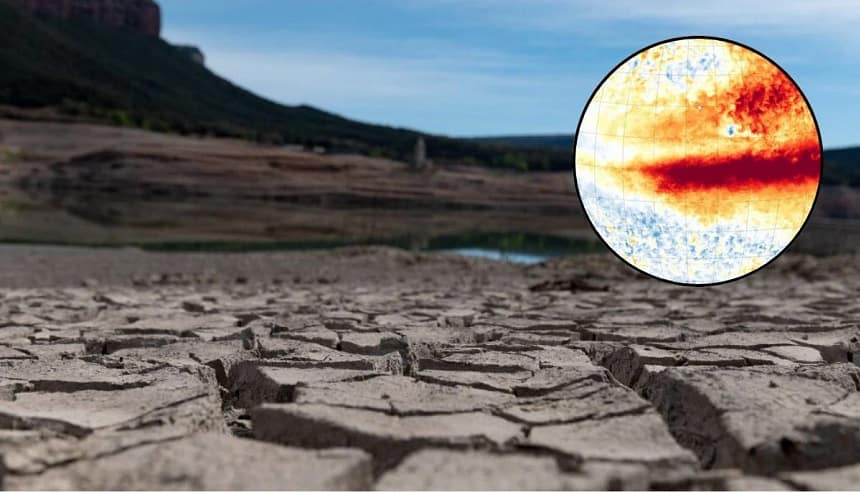
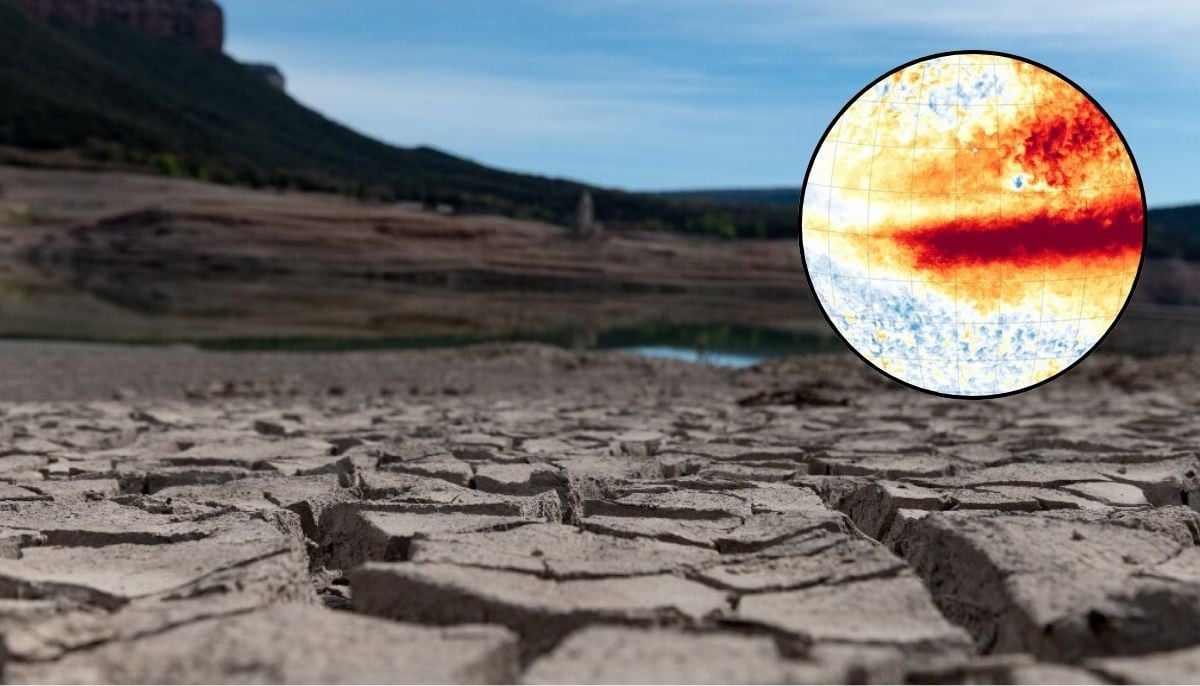
Federal forecasters confirmed Thursday, June 11, that El Niño has officially arrived in the tropical Pacific.
Experts confirm that there are very high chances of its strengthening into a rare “Super” El Niño, surpassing the record of the strongest on record since 1950.
Considering the current situation, NOAA’s Climate Prediction Centre (CPC) has issued a new advisory announcing that sea surface temperatures are expected to rise above average across the central and eastern Pacific.
The agency confirmed that there are 63% chances that this El Niño will reach “very strong” status between November and January, potentially causing global weather disruption.
With rising sea temperature, the Pacific Ocean is expected to have an above-average number of intense hurricanes. However, for the Atlantic coast, El Niño will tear apart many tropical storms, leading to a below-average hurricane season for Florida and the East Coast.
For the upcoming winter (December – February)
- South and South East: The southern part of the United States, starting from California through the Carolinas, is forecast to experience wet and cool weather. While this may bring relief from drought in Texas and Florida, it will raise the probability of thunderstorms and flooding.
- North and Midwest: Above-average temperatures can be expected in regions from the Pacific Northwest to the Great Lakes region. Although this may sound nice, it also implies less snowfall at the ski slopes and perhaps the formation of ice storms instead of the white snowflakes. The bright side is that it would require less money for heating.
- California: Though El Niño is characterized by torrential rains and mountain snow (which is good for reservoirs), weather scientists have warned of potential atmospheric rivers making contact with Southern California and causing landslides and beach erosion.
Global hot spots
Drought and heatwaves are expected across Australia, Indonesia, and India over the coming months, raising concerns about wildfires and crop failure.
2026-06-11 23:32:00