


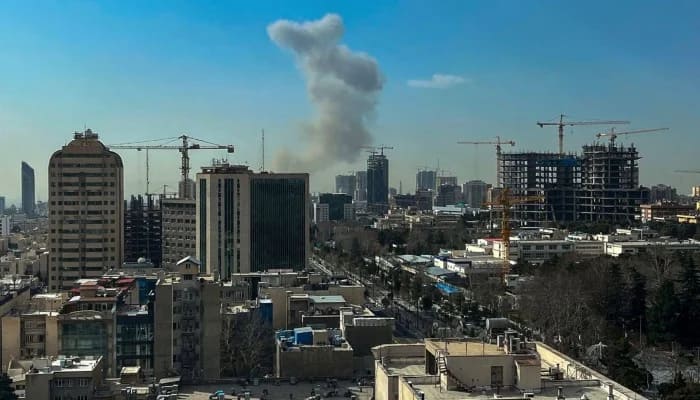
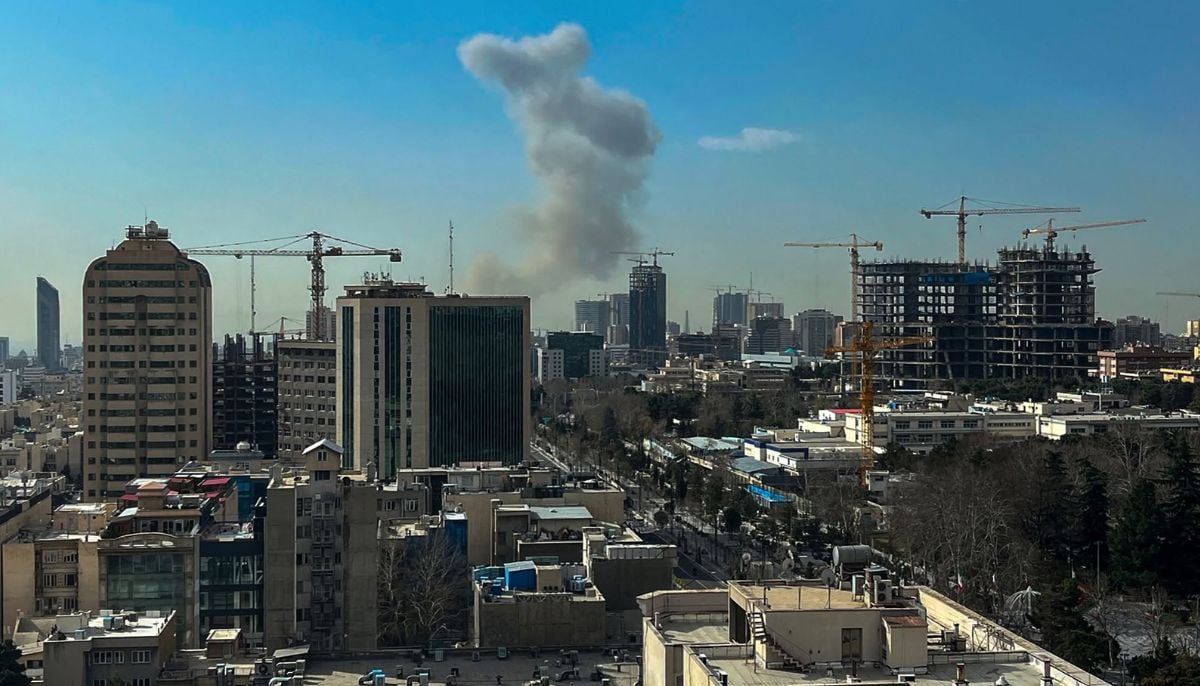
The US-Israel war against Iran began earlier this year on February 28, with coordinated strikes across Iran and quickly widened into a regional conflict involving Lebanon, the Gulf, Yemen, the Strait of Hormuz and global energy markets.
Over the next months, the conflict moved from direct military escalation to a fragile ceasefire and a maritime standoff, as Pakistan-led mediation struggled to resolve disputes over Hormuz, the US blockade, Iran’s nuclear programme, sanctions and the Lebanon front.
The first stage, spanning from the war’s outset to April 8, was marked by direct military escalation, the martyrdom of Iran’s Supreme Leader Ayatollah Ali Khamenei, Iranian retaliation, the closure of the Strait of Hormuz and the opening of the Lebanon front.
The second stage, from April 8 through June, saw a fragile ceasefire give way to intensive diplomacy, repeated violations, a US naval blockade and continuing disputes over Lebanon, Hormuz and Iran’s nuclear programme.
In the last stage, Pakistan, the US and Iran announced reaching a preliminary agreement to end the conflict. The deal, brokered by Pakistan, was formalised through a memorandum of understanding signed electronically by US President Trump and Iranian President Masoud Pezeshkian, PM Shehbaz Sharif, and all parties confirmed earlier today.
Below is a chronological timeline of the key events from the start of the war.
Phase 1 — Military escalation and initial strikes
February 28 – March 1
US, Israel strike Iran: The United States and Israel launched coordinated strikes across Iran, targeting military sites, missile infrastructure, air defences and command facilities. Ayatollah Ali Khamenei was martyred along with senior Iranian political and military officials.
Minab school struck:A girls’ primary school in Minab, southern Iran, was struck during the opening phase of the war, causing heavy civilian casualties and becoming one of the most sensitive incidents of the conflict.
Iran retaliates: Iran responded with missile and drone attacks on Israel and US-linked military facilities across the Gulf, including sites in Bahrain, Qatar, Kuwait and the UAE.
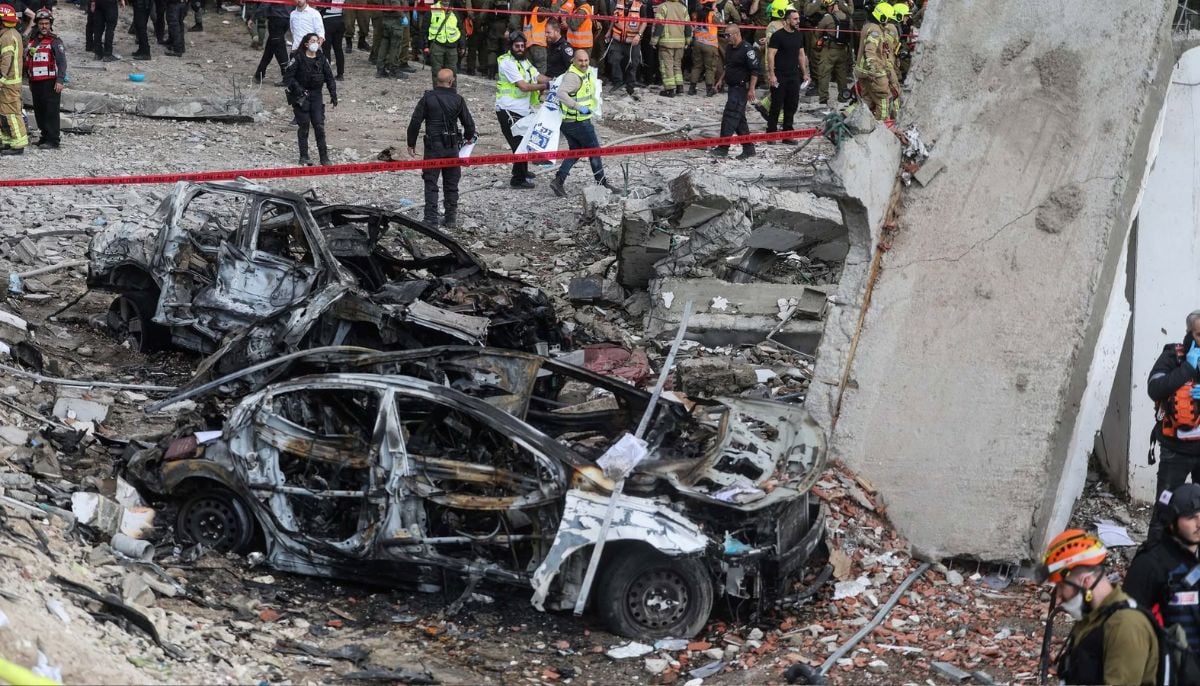
Beit Shemesh hit: An Iranian missile struck Beit Shemesh, causing casualties and marking one of the deadliest early Iranian strikes inside Israel.
March 2
Iran closes Strait of Hormuz: Iran declared the Strait of Hormuz closed to international shipping, turning the military confrontation into a global energy and maritime crisis.
Lebanon front opens:Hezbollah fired projectiles towards Israel from Lebanon after Khamenei’s martyrdom. Israel responded with strikes across Lebanon, opening a second major front in the war.
March 3
Israel expands operations in southern Lebanon: The Israeli army declared a ground operation in southern Lebanon, saying it aimed to establish a security zone. The move deepened the Lebanon front and later became a central obstacle in ceasefire talks.
March 4 – 8
Shipping attacks intensify: Iranian forces began active attacks on ships attempting to transit the Strait of Hormuz. Tanker traffic was rerouted, insurance risks surged and commercial movement through the waterway dropped sharply.
March 6
Trump demands ‘unconditional surrender’: Trump publicly demanded Iran’s “unconditional surrender” and threatened further attacks on Iranian infrastructure if Tehran did not accept US terms.
March 9
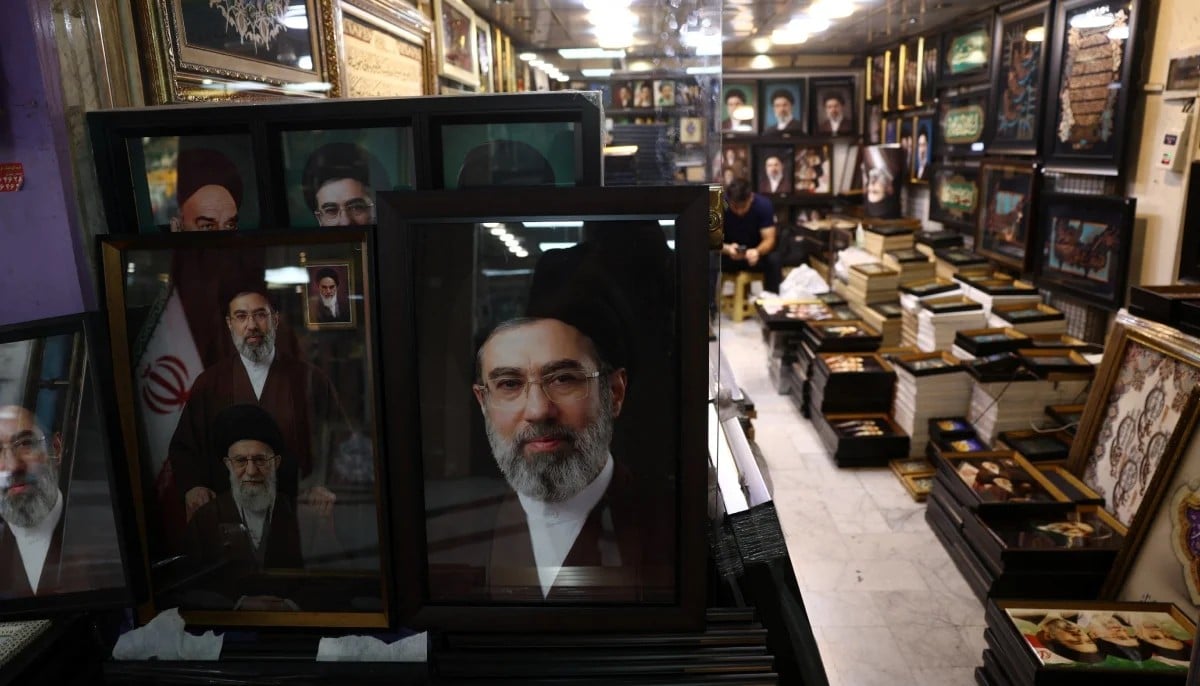
Iran’s new leader named: Iran named Mojtaba Khamenei, son of Ayatollah Ali Khamenei, as the country’s new paramount leader, signalling regime continuity despite the opening strikes.
March 19
US targets Iranian naval assets: The United States began a focused aerial campaign against Iranian naval vessels and drone infrastructure around Hormuz in an effort to force the strait open.
March 21 – 23
Dimona and Arad struck: Iran struck Arad and Dimona, near Israel’s nuclear facility, while Israeli strikes continued on Tehran. Trump extended his deadline for Iran to reopen the Strait of Hormuz.
March 27 – 30
Iran blocks Chinese-linked ships:Iran turned back Chinese-linked vessels at Hormuz, showing that even “friendly” shipping could be restricted under its wartime control of the waterway.
Houthi movement enters the war: Yemen’s Houthi movement joined the conflict and resumed missile attacks on Israel, adding another regional vector to the war.
US threatens Iran’s Kharg Island and desalination plants: Trump expanded his threat list to include Kharg Island, Iran’s main oil export terminal, and Iranian desalination plants, setting up the April 7 deadline.
April 1
Trump says war could end in a couple of weeks: Trump said the operation could conclude soon, while US officials did not rule out further escalation, including possible ground-force options.
April 3
US aircraft downed: Iranian forces shot down a US F-15E Strike Eagle over southwestern Iran, triggering a major US combat search-and-rescue operation.
Phase 2 — Ceasefire and intensive mediation
April 5
Pakistan steps in: Officials in Islamabad introduced a phased ceasefire framework as its mediation role expanded. Iran rejected the draft and presented its own proposal, insisting any ceasefire must also cover Lebanon.
April 7
Kharg Island struck, ceasefire breakthrough follows: US forces struck military targets on Kharg Island before Trump’s final deadline. Later the same day, Pakistan helped broker a fragile two-week ceasefire between the US and Iran.
April 8
Ceasefire takes place: Pakistan announced that the US and Iran had agreed to an immediate ceasefire. The truce was immediately strained by disagreement over whether it applied to Lebanon, where Israel continued operations.
April 9
Beirut and southern Lebanon hit: The ceasefire broadly reduced direct US-Iran exchanges, but Israel carried out major strikes in Lebanon while Hezbollah fired rockets towards Israeli border communities.
April 11 – 12
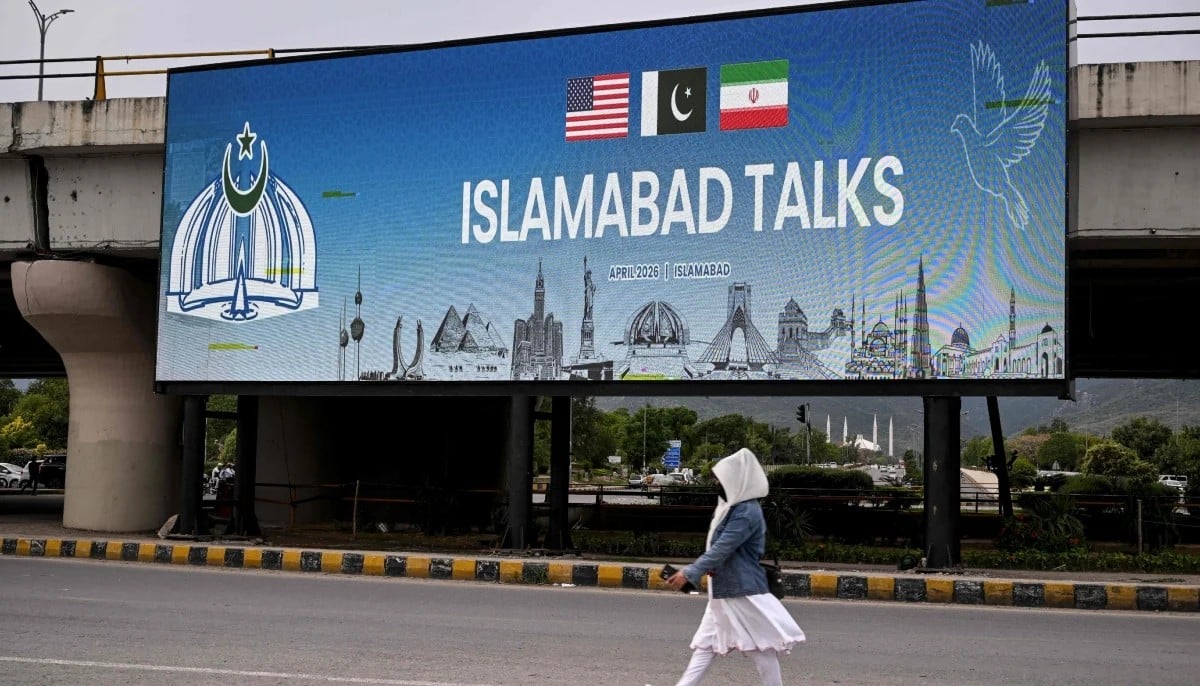
Islamabad talks: High-level US-Iran talks were held in Islamabad, but the negotiations collapsed over unresolved issues including the Strait of Hormuz and Iran’s nuclear programme.
April 13
US imposes naval blockade on Iran:After the talks failed, the United States imposed a naval blockade on Iranian ports. Iran responded by tightening pressure around Hormuz, turning the ceasefire into a maritime standoff.
April 14
Israel-Lebanon diplomatic contact begins: The United States hosted high-level engagement between Israel and Lebanon as Washington pushed for a separate ceasefire on the Lebanese front.
April 16 – 17
Israel-Lebanon ceasefire takes effect: A US-brokered ceasefire between Israel and Lebanon came into effect, though Israeli operations in southern Lebanon continued amid accusations of violations.
April 19
US seizes Iranian-flagged vessel: US forces seized an Iranian-flagged cargo ship near the Strait of Hormuz, saying it tried to evade the naval blockade. Iran described the seizure as a ceasefire violation.
April 21
Iran ceasefire extended indefinitely: Trump extended the Iran ceasefire without setting a new deadline, even though talks had not resolved the nuclear dispute, the US blockade or control of the Strait of Hormuz.
April 22 – 23
Iran seizes ships in Hormuz: Iran seized cargo vessels in the Strait of Hormuz, accusing them of trying to cross without permits. The move showed Tehran still held significant leverage over the waterway.
April 24 – 27
Lebanon ceasefire extended: Israel and Lebanon agreed to extend the ceasefire by three weeks, though violations continued. Oil prices remained elevated amid uncertainty over Hormuz and the US blockade.
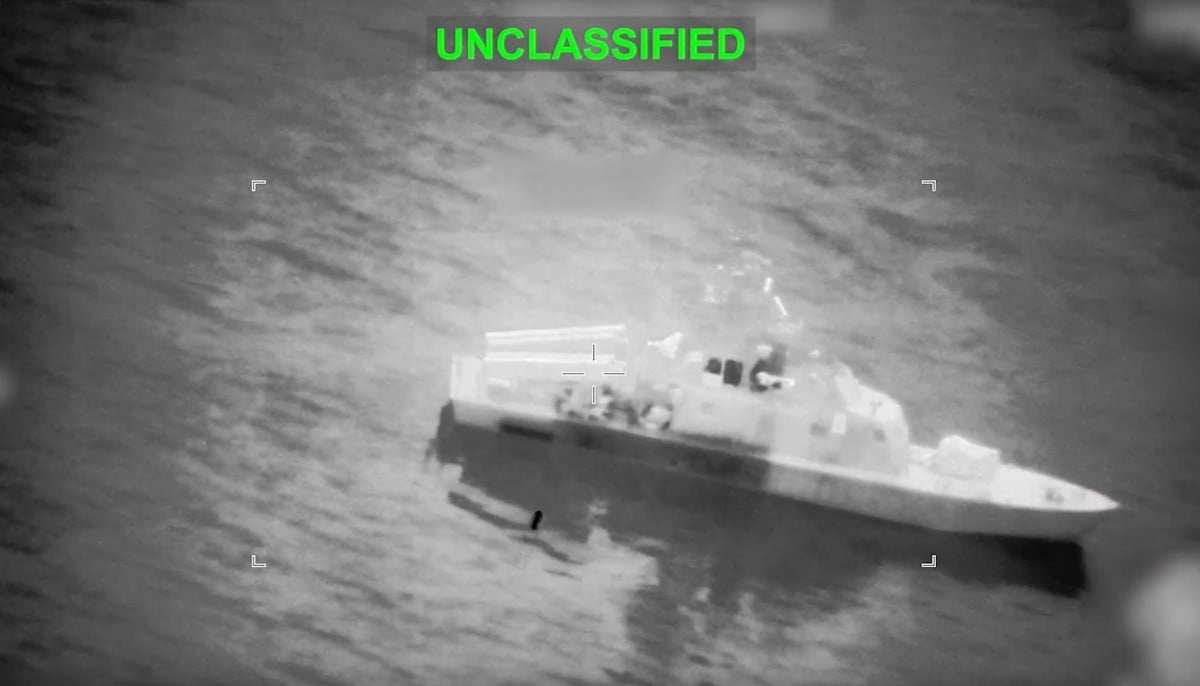
Trump warns Iranian mine boats: Trump warned that the US would target Iranian mine boats operating in the Strait of Hormuz, keeping the maritime confrontation active despite the ceasefire.
Iran links Hormuz reopening to blockade relief: Iran offered to ease its control over Hormuz if the US lifted its blockade and ended the war, while postponing the nuclear issue for later talks.
April 28
Iran submits broader counterproposal:Iran submitted a broader counterproposal calling for a permanent end to hostilities, US withdrawal from areas near its borders, lifting of the blockade, release of frozen assets, reparations and a new mechanism for Hormuz.
April 30
First two months end in stalemate:By the end of April, US and Israeli airstrikes on Iran had paused, but Iran still controlled or restricted Hormuz, the US blockade remained, nuclear talks were deadlocked and Lebanon remained unstable.
May 1
Iran pulls out of Rome talks:A highly anticipated fourth round of indirect US-Iran peace talks scheduled to take place in Rome is abruptly postponed. Iranian officials cite Washington’s refusal to lift shipping restrictions as the primary bottleneck.
May 3 – 5
‘Project Freedom’:US President Donald Trump announced an operation to reopen the Strait of Hormuz, dubbed “Project Freedom”, but paused it just two days later to see whether an agreement could be finalised and signed with Iran, although the blockade will remain in force.
May 14 – 15
Trump seeks Chinese mediation: The conflict dominated a high-level bilateral summit between President Trump and Chinese President Xi Jinping in Beijing. The US president sought Chinese mediation but returned without a breakthrough.
May 20 – 23
Minab school investigation remains active: Reutersreported that a US investigation into the Minab school strike was nearing conclusion, while Iranian officials continued to cite a high toll of martyred children and teachers.
Establishment of ‘Persian Gulf Strait Authority’: Tehran established the ‘Persian Gulf Strait Authority’ to consolidate control over the Strait of Hormuz, implementing a mandatory “supervision area” and proposing service transit fees.
Pakistan-Oman backchannels intensify: Backchannel diplomacy through Pakistan and Oman intensified, focusing on ceasefire stabilisation, nuclear restrictions, sanctions relief and reopening Hormuz.
Trump says peace agreement largely negotiated: Trump announced that a landmark peace agreement had been largely negotiated and said the Strait of Hormuz would be reopened.
May 30
US signals readiness to resume strikes: US Secretary of Defence Pete Hegseth said that while talks are progressing, Washington will not rush into a weak agreement.
June 1 – 3
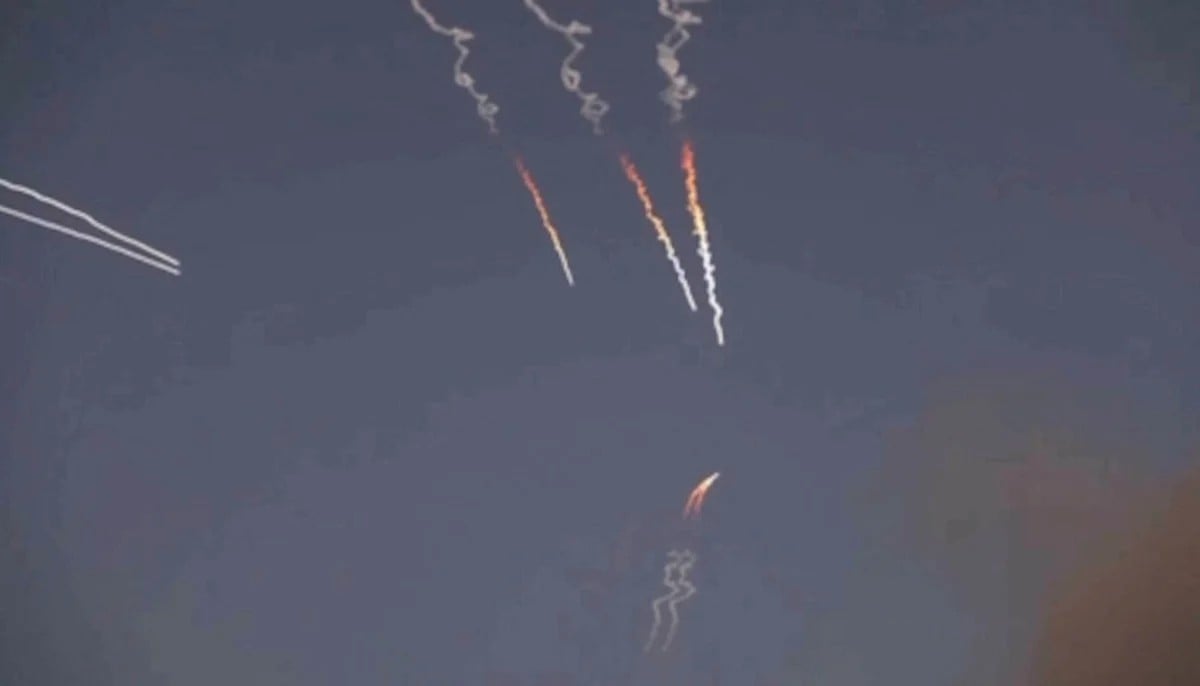
Heavy US-Iran military exchanges resume: Iran temporarily suspended its involvement in the Islamabad-mediated talks, citing the expansion of the Israeli ground and air offensive into northern Lebanon. The US and Iran exchanged heavy strikes in one of the most intense rounds of fighting since the April truce.
Iranian hits Kuwait: Iranian forces targeted Kuwait with missiles and drones, including a strike on the international airport that caused casualties.
June 8
Iran retaliates to Israeli strikes in Beirut: Iran reportedly launched missiles towards Israel after Israeli strikes in Beirut, adding strain to the late-stage diplomatic track.
June 9 – 10
Iran downs US Apache near Hormuz: A dangerous spike in direct hostilities occurs when a US military helicopter is downed by Iran over international waters, prompting immediate US retaliatory strikes and threatening to derail negotiations.
US hits back: The US responded with targeted airstrikes on Iranian radar installations, prompting a brief exchange of missile strikes between Iran and allied regional forces. Airstrikes hit two drinking-water reservoirs in Iran’s southern Hormozgan province, cutting off water to thousands of residents.
June 11
Trump cancels strikes against Iran, signals deal: Recognising the risk of an unmanageable regional war, both sides abruptly de-escalate. Backchannel negotiators in Islamabad finalise an emergency draft. Reports emerge from news agencies that a breakthrough interim deal has been struck.
June 12 – 13
Peace deal text agreed: Pakistan said the final text of a US-Iran peace deal had been agreed, while the sides continued to work through timing and terms. PM Shehbaz said Pakistan is prepared for the electronic signing of the US-Iran peace deal.
Disputed signing time: Trump and Pakistan indicated that an initial deal could be signed soon, while Iran cast doubt on the immediate timing.
Phase 3 — Peace agreement implementation
June 14
Preliminary agreement announced: Washington and Tehran announced a preliminary agreement to end the war, mediated by Pakistan.
June 14 – 15
Immediate end to military operations declared: Pakistan said both sides had agreed to the immediate and permanent termination of military operations on all fronts, including Lebanon.
Hormuz reopening and blockade lifting:Trump said the agreement included reopening the Strait of Hormuz to toll-free shipping and lifting the US naval blockade.
60-day negotiation window: The agreement established a 60-day window to settle Iran’s nuclear stockpile, sanctions and frozen assets.
June 16 – 17
Hezbollah links final deal to Israeli withdrawal: Iran-backed fighter group, Hezbollah, said Iran would pursue Israeli withdrawal from southern Lebanon in the next stage of talks, while Iran said lasting peace required an end to Israeli presence in Lebanon.
US Senate blocks war-powers resolution: The US Senate narrowly blocked a fresh attempt to restrict Trump’s authority to continue the Iran war without explicit congressional approval.
Deal details continue to emerge: Further details emerged on the interim memorandum, including economic incentives, reconstruction funding discussions and continued talks on sanctions and nuclear restrictions.
Signing for peace: US President Donald Trump and Iran’s President Masoud Pezeshkian signed the Islamabad Memorandum of Understanding (MoU).
June 18
Sealing Islamabad MoU: Prime Minister Shehbaz Sharif signed the Islamabad MoU as mediator, formally sealing the historic peace agreement between Iran and the United States.
2026-06-18 17:40:00