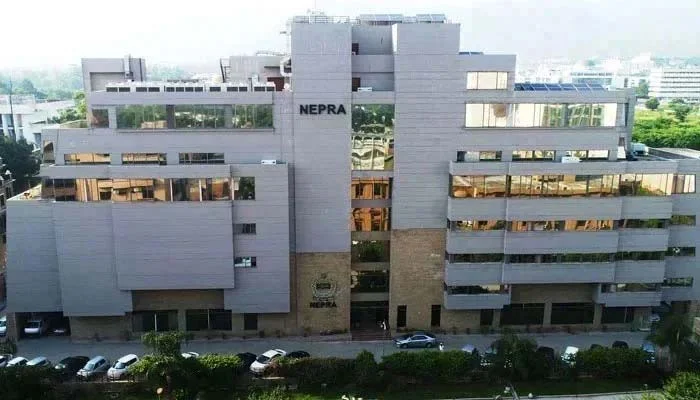

- Nepra introduces new performance standards for power distributors.
- PSDR 2026 replaces performance framework introduced in 2005.
- New standards cover complaint handling and power quality.
ISLAMABAD: Pakistan’s power distribution sector is set for a major regulatory overhaul as the National Electric Power Regulatory Authority (Nepra) moves away from its nearly two-decade-old performance framework towards a broader, measurable system aimed at improving accountability across distribution companies.
The new framework will assess companies on power reliability, consumer services, investment, safety and the adoption of emerging technologies, The Newsreported on Sunday.
The newly notified Nepra Performance Standards (Distribution) Regulations, 2026 (PSDR 2026) replace the basic framework established under the Performance Standards (Distribution) Rules, 2005 and significantly expand the areas against which distribution companies will be judged.
The new regime goes beyond the traditional question of whether electricity is supplied to consumers. It introduces a much wider concept of distribution performance, covering the frequency and duration of outages, restoration times, complaint handling, power quality, load-shedding, safety, investment delivery, digitalisation, distributed energy resources, electric-vehicle charging infrastructure, cybersecurity and transparency.
At the heart of the new framework is a shift from broad company-level assessment towards specific, measurable and increasingly consumer-facing performance obligations. One of the most important features of PSDR 2026 is the introduction of Guaranteed Performance Standards, which focus on services directly experienced by electricity consumers. The regulations set defined standards for areas such as outage restoration and complaint resolution.
Planned interruptions are to be communicated to consumers in advance, while industrial and captive consumers face additional notification and restoration-update requirements.
This could represent a meaningful change for consumers who have traditionally experienced power interruptions and service complaints without a clear understanding of when the problem must be resolved or what remedy is available if a distribution company fails to meet its obligations.
The new framework also provides for compensation in specified cases where guaranteed standards are not met. That provision gives the performance standards a potentially stronger consumer-protection dimension. Instead of standards functioning solely as regulatory benchmarks, failures covered by the prescribed requirements can result in a direct remedy for affected consumers.
Rather than relying on general assessments of supply reliability, the framework uses multiple indicators covering the frequency and duration of interruptions. This creates a more structured mechanism for measuring how often consumers lose electricity and how long those interruptions last. The approach is intended to make performance comparable over time and provide a basis for continuous improvement.
The regulations also allow performance to be assessed at different organisational levels, including the company, circle, division and sub-division. That granular approach could make it easier for the regulator to identify pockets of poor performance that might otherwise remain hidden behind company-wide averages.
For consumers, this potentially means that persistent problems in a particular operational area can be identified more precisely rather than being absorbed into the overall performance figures of a distribution company. PSDR 2026 also brings load shedding into a more structured regulatory framework.
After nearly 20 years under the 2005 framework, PSDR 2026 signals that Pakistan’s distribution sector is being asked to meet a broader definition of performance—one that increasingly links reliability, consumer rights, investment, technology, safety and accountability.
The real test now is whether those standards translate from regulations on paper into improvements in the electricity experience of millions of consumers across Pakistan.
2026-08-30 12:39:00