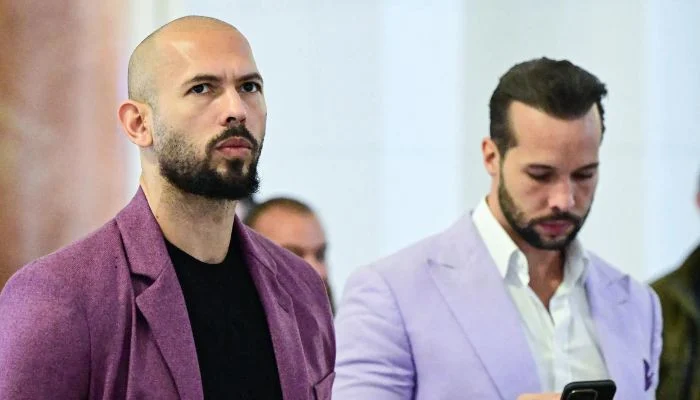
Andrew Tate and his brother Tristan Tate have vowed to fight extradition to the United Kingdom (U.K) after being arrested in the United States (U.S.) over dozens of criminal charges.
However, legal experts have warned that winning such extradition cases is extremely difficult.
The British-American influencers are wanted by UK authorities over a total of 59 charges, including allegations of rape, human trafficking, assault and other offences linked to incidents between 2010 and 2017.
The Tate brothers have maintained their innocence and deny all the allegations.
Andrew and Tristan appeared before a federal court in Miami on Monday, July 20 and confirmed they would challenge the UK’s extradition request.
Under the US-UK extradition treaty, a federal judge must first decide whether the legal requirements for extradition have been met.
If the judge approves the UK’s extradition request, it will still have to be approved by the US Secretary of State Marco Rubio.
Legal experts say extradition hearings are not criminal trials. Instead of deciding whether the accused are guilty, the court only considers whether the request satisfies the legal standards set out in the treaty, including whether the alleged offences would also be crimes in the United States.
According to legal analysts, it is rare for defendants to successfully block extradition once a valid request has been filed.
Although there have been a handful of exceptions, experts say the government faces a much lower evidentiary threshold than prosecutors would in a criminal trial.
The brothers also continue to face separate legal proceedings in Romania, where they have denied allegations of human trafficking and related offences.
Their next US court hearing in the extradition case is scheduled for July 27.
2026-07-22 00:27:00