



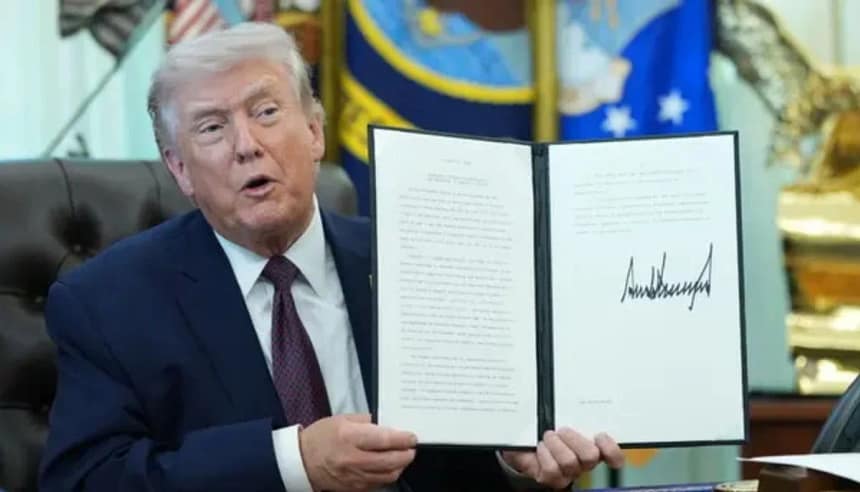
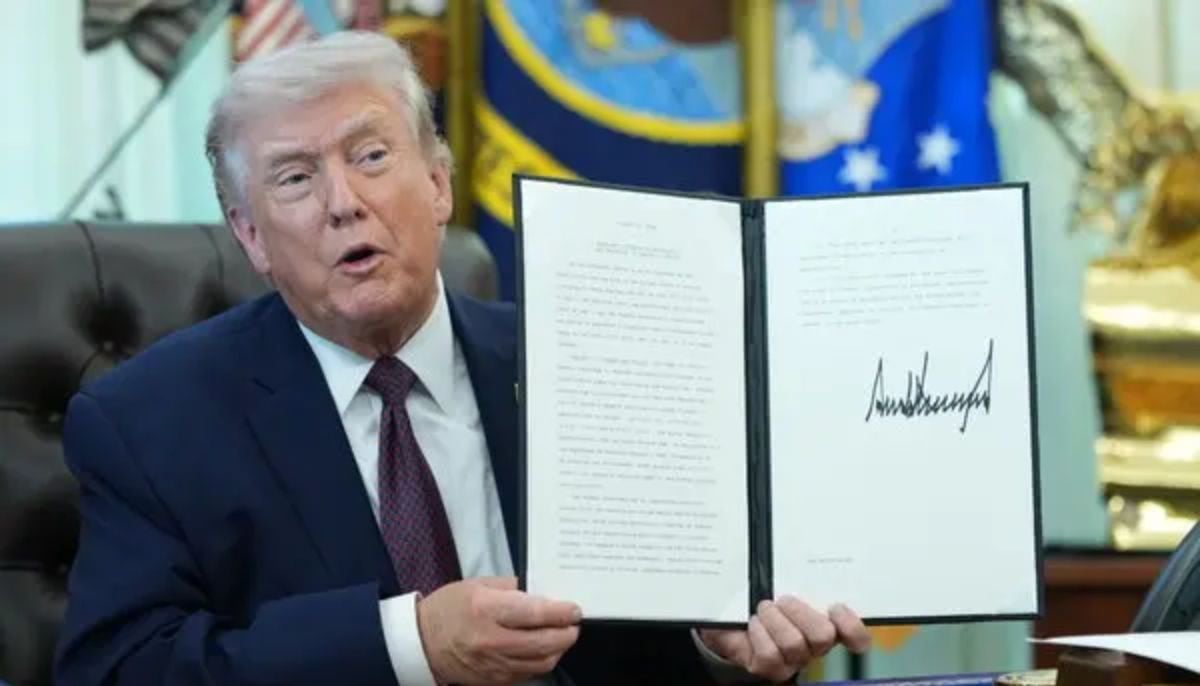
The Trump Administration is moving forward with a controversial plan to devise state-by-state lists of U.S. citizens.
The creation of these lists aims at preventing non-citizens from voting.
In March 2026, President Trump signed an executive order directing the Department of Homeland Security to compile the lists.
What the citizenship list will contain
The lists will include the following data:
- Basic personal identifiers (per state): Full legal names, residential addresses, dates of birth
- Government-issued identification numbers: Driver’s license numbers, partial social security numbers, alien registration numbers (for naturalized citizens referenced in immigration records)
- Citizenship status designation: A flag or marker indicating “verified U.S. citizen”, potentially a separate category for “non-citizen”
- Federal tracking codes: USCIS case number, naturalization certificate numbers, SAVE database tracking identifiers
What the citizenship list will not contain
- Full social security numbers
- Federal immigration identifiers for naturalized citizens
- Real-time updates for new citizens who naturalized after the last database sync
At the signing of the executive order, Trump said, “I think this will help a lot with elections.”
However, the plan faces immediate legal pushback as President Trump is not legally empowered to do so.
The Constitution grants states primary authority over election administration, including voter registration, under Article I, Section 4, and the Tenth Amendment. No federal law explicitly authorizes the executive branch to compile state-by-state citizen voter lists and compel states to use them.
Trump’s executive order directs DHS and the Social Security Administration to build citizenship databases and encourages states to use these lists for voter verification, but existing laws like the National Voter Registration Act (NVRA) and the Help America Vote Act (HAVA) already govern voter list maintenance and federal-state data sharing; neither gives the president direct power to create parallel citizenship rolls.
This is why federal judges in Maine, Wisconsin, Arizona, California, and Michigan have dismissed Department of Justice lawsuits demanding state voter data, consistently ruling that the executive branch lacks statutory authority to requisition local voter files.
Even the Justice Department admitted in court that the lists would likely be “unreliable” for determining eligibility. Legally, Trump can ask states to voluntarily cooperate (many won’t), request that Congress pass a new law (unlikely), or use existing federal databases for internal purposes only.
The bottom line: President can order federal agencies to compile data as an internal exercise, but he cannot force states to use those lists for voter verification, and courts will almost certainly strike down any attempt to make them mandatory for election officials.
2026-05-25 18:16:00