- Asian shares sink as investors worry over oil prices and interest rates.
- US-Iran conflict enters 13th night as strikes raise market uncertainty.
- Saudi tanker attacks threaten Red Sea oil routes and global supplies.
SYDNEY: Oil prices surged nearly 40% this month amid escalating conflict in the Gulf, reviving inflation fears, rattling bond markets and stoking rate hike expectations globally as Asian shares sank on Friday.
European bourses, however, are headed for a steady open after losses a day earlier. Nasdaq futures slipped 0.3% as bumper results from Intel offered little support in the face of broader worries about oil and rates, while investors grew increasingly uneasy about how much cash the AI boom is burning.
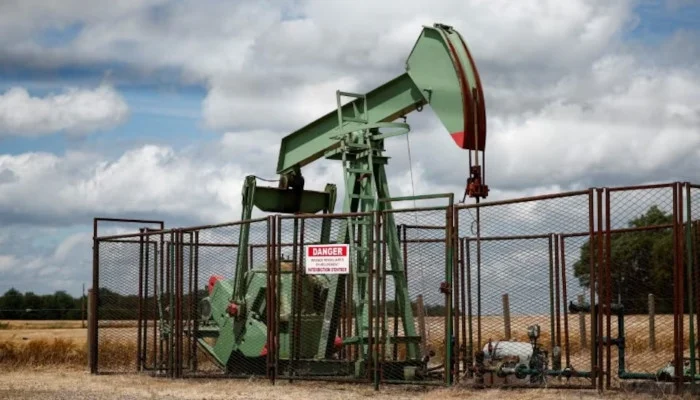
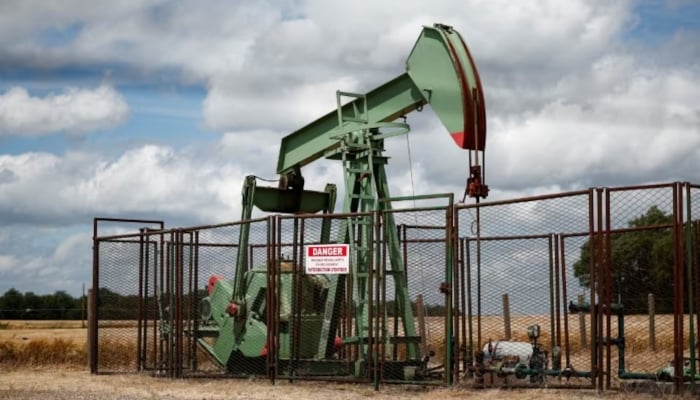
Brent crude slipped 0.4% to $100.3 a barrel, after surging 7% overnight to a two-month high of $102. Attacks by Houthis on Saudi tankers in the Red Sea risk choking off a second crucial Middle East artery for global oil supplies, alongside Iran’s near-closure of the Strait of Hormuz.
President Donald Trump threatened “major military punishment” for Iran and its Houthi allies, with the US military striking Iran late Thursday and early Friday in the 13th consecutive night of attacks.
“Two of the world’s busiest shipping corridors are under threat in the same month, and markets are only just beginning to work out what that means,” said Nigel Green, CEO of deVere Group, a financial advisory firm.
“With that ceasefire now collapsed and oil back above $100, the drop which gave the Fed room to relax may already be reversing… This looks less like a short-lived spike and more like a genuine reopening of the inflation question.”
News that the US administration will impose higher tariffs on goods from 60 trading partners also did not help the inflation picture, with 30-year Treasury yields marching towards their highest levels since 2007 and benchmark European borrowing costs climbing to highs last seen in 2011.
Markets bet central banks will have to turn more hawkish, with a one-in-three chance of a rate hike from the Federal Reserve as soon as next week — a sea change from merely a week ago — while a move in September is more than fully priced in.
The European Central Bank left rates unchanged overnight but a September rate hike is about 70% priced in.
In Asia, MSCI’s broadest index of Asia-Pacific shares outside Japan dived 2.3%, trimming this week’s gain to 0.7%. Japan’s Nikkei slid 2.8%, also heading for a weekly rise of 0.7%.
South Korea’s KOSPI tumbled 4.8% and was set for a fifth straight week of declines with a 1% drop. Hong Kong’s Hang Seng index fell 1.1%.
Adding to the gloom, Alphabet and Tesla, the first two of the so-called “Magnificent Seven” megacap tech companies to report this season, spooked investors as both burned through cash in their most recent quarter for their big spending on AI infrastructure.
Tesla shares tumbled around 14% on Wall Street after it posted its first cash burn in two years. Alphabet fell about 7%, with the Google parent also burning through cash as it ramped up AI spending.
Dollar catching yield support
In bond markets, the benchmark 10-year US yield hit an over 18-month high of 4.7035%, having climbed nearly 17 basis points this week. The yield on 30-year bonds was steady at 5.17%, not far from a 19-year peak of 5.201%.
Higher Treasury yields helped the US dollar, with the dollar index holding at 101.40 after a 0.3% rise overnight to the highest level this month.
The beleaguered yen was pinned near 40-year lows at 163.82 per dollar, drawing a warning from the US Treasury that excess volatility in the currency was undesirable.
Japan’s finance minister has repeatedly issued verbal warnings about a possible intervention in the currency market, after carrying out yen-buying operations in April and May, with the yen weakening beyond the 160 level.
Precious metals took a hit, with gold off 0.5% at $4,027 an ounce after falling 2% overnight. Silver slipped 0.2% at $57.51 an ounce after a decline of 3.4% overnight.
2026-07-24 11:15:00