- Pakistan to sign agreements with five oil refineries on Thursday.
- Government authorises ISGS to sign and oversee refinery deals.
- Upgrades aim to boost local petrol and diesel production.
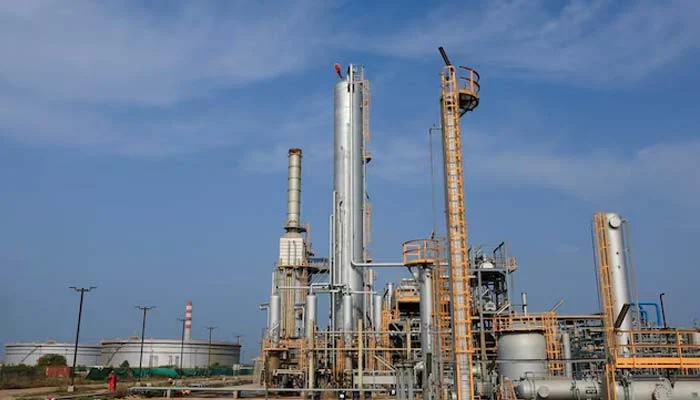
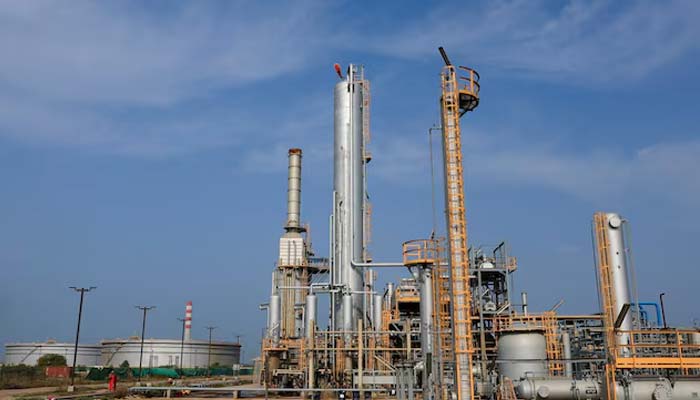
Pakistan is set to sign long-delayed agreements with five oil refineries on Thursday, paving the way for more than $6 billion in planned investment to modernise ageing plants, boost local petrol and diesel production and reduce reliance on imports.
The agreements with Pak-Arab Refinery Ltd. (Parco), Pakistan Refinery Ltd. (PRL), National Refinery Ltd. (NRL), Cnergyico and Attock Refinery Ltd. (ARL) are being finalised through back-to-back meetings between the Petroleum Division and Inter-State Gas Systems (ISGS), a senior official of the Petroleum Division told The News on Tuesday.
“The signing parties are ready, and most probably these will be inked on Thursday,” the official said.
The government has authorised ISGS to sign the agreements and oversee implementation, replacing an earlier arrangement under which the Oil and Gas Regulatory Authority (Ogra) was expected to manage the process.
Upgraded plants would also be able to process a wider range of crude, including Iranian and Russian supplies, subject to applicable laws and international sanctions, according to an ISGS official.
Meanwhile, the multibillion-dollar refinery upgrade programme risks getting stuck at the stage of “paper agreements” if changes in the incentive mechanism make projects difficult to finance, with industry circles warning that replacing jointly controlled escrow accounts with government-controlled accounts could undermine bankability and create fresh hurdles in achieving financial close.
Industry sources told The News that getting refineries to sign agreements under the Brownfield Refinery Policy should not itself be considered an achievement if the contractual and financial framework ultimately fails to satisfy lenders.
“Signing an agreement is only the first step. Agreements and MoUs do not bring investment — bankable projects do,” a senior industry source said. “The real achievement will be when lenders accept the structure, financial close is achieved and investment actually starts flowing into refinery upgrades.”
The warning comes amid concerns over the introduction of government-controlled accounts in place of the joint escrow mechanism envisaged for incentive funds under the refinery policy. Industry officials argue that the change is not merely administrative. It potentially alters the control, security, ring-fencing and accessibility of funds that form an important part of the financial framework supporting refinery upgrades.
The issue assumes greater significance because refinery modernisation requires massive capital expenditure and substantial financing from local and foreign lenders.
The Petroleum Division spokesman did not respond to repeated calls or a detailed question sent to him seeking their comments on the reported change in the escrow mechanism for refinery incentives.
2026-09-02 10:01:00