


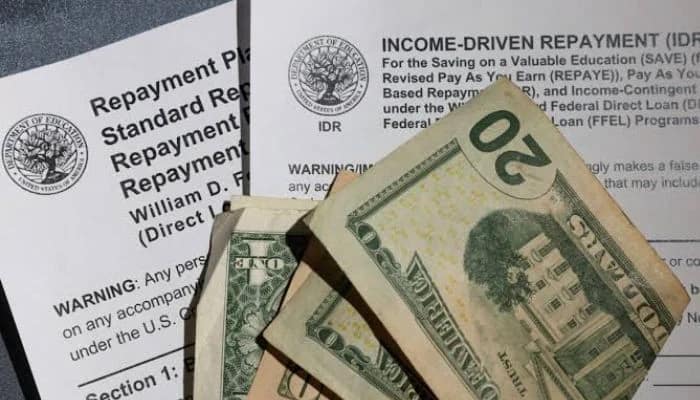
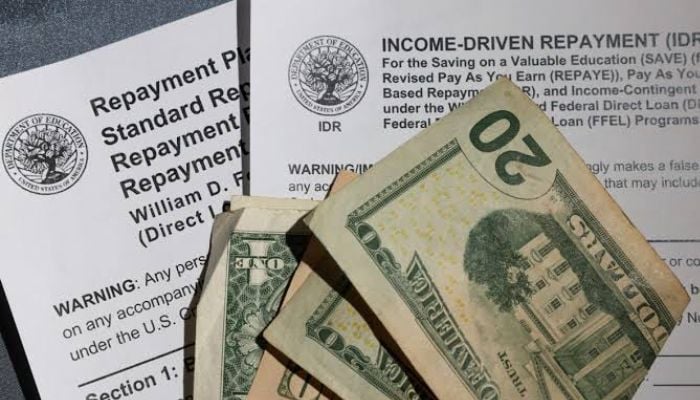
A major overhaul of the federal student loan repayment took effect on July 1, bringing sweeping changes for millions of borrowers as default rates continue to surge.
The previously enrolled student must now find a replacement repayment option within 90 days or face automatic enrollment into standard plans that could carry significantly higher monthly payments, as the Biden administration’s SAVE repayment program has finally ended.
Significant rule changes include:
- Elimination of the SAVE plan, which served more than 7 million borrowers
- Reduction to just two primary repayment options for new borrowers, replacing multiple legacy plans
- Lower annual borrowing caps for graduate students
- Elimination of Grad PLUS loans for graduate and professional students
What are the new repayment options?
There are two main paths forward for borrowers. One is the repayment assistance plan, or RAP, which is an income-driven option that calculates monthly payments as a percentage of your adjusted gross income, functioning similarly to previous income-based plans.
Another option is the tiered standard plan, which is a fixed payment option that determines monthly bills based on your principal balance, interest rates, and the length of your repayment period. On the other hand, the income-contingent plan, which used to offer loan forgiveness after making qualified payments for 20 to 25 years, will become defunct by 2028.
This is taking place in the face of the rise in defaults among student loans to record levels. About 9.5 million students are in default; that is, they are 90 days or more overdue with their repayments. This accounts for $233.3 billion worth of loans among the $1.7 trillion federally guaranteed student loans.
The number of borrowers in default has nearly doubled in the past year, from 5.3 million who were noted to be in default in March 2025. The southern states have had the highest level of default rates, with Mississippi leading the nation with a 28.3% default rate. Puerto Rico has the highest rate of defaults at 30.9%.
Those who attended for-profit schools are having the hardest time paying back the loan, with 33% being 90 days or more behind schedule.
2026-07-25 20:03:00