



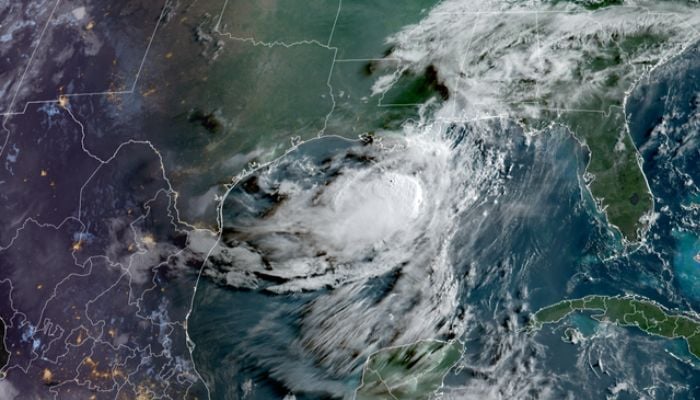
With the climatological peak of hurricane season approaching, NOAA has reaffirmed its prediction for below-normal activity in the Atlantic basin, while stressing that preparedness remains essential for coastal residents.
NOAA’s National Weather Service issued an update on its prediction, estimating 7-13 named storms, 2-6 of which may develop into hurricanes, including 0-2 major hurricanes. The estimates cover the entire season, from June 1 to November 30, as well as the two tropical storms that have already occurred – Arthur and Bertha.
NOAA expects a 75% probability of a below-normal season, up sharply from the 55% probability predicted in May. According to the agency, there is a 20% probability of a near-normal season and a 5% probability of an above-normal season.
“Once El Niño emerges, it becomes the dominant player in total hurricane season activity, and this El Niño keeps getting stronger every month,” said the lead hurricane season forecaster Matt Rosencrans. El Niño leads to increased wind shear, which inhibits the formation of storms or their strengthening after their appearance.
Considering this situation, Tropical Storm Arthur brought record rainfall and tornadoes to portions of Louisiana, while Bertha made landfall in St. Bernard Parish, Louisiana. Both storms originated in the Gulf.
Though El Niño suppresses activity in the Atlantic, it promotes storm formation in the Pacific. The NOAA forecast for the Eastern Pacific is still 15 to 22 named storms, well above average, but there have been only seven thus far.
The 2026 Atlantic hurricane season runs until November 30.
2026-08-10 18:26:00