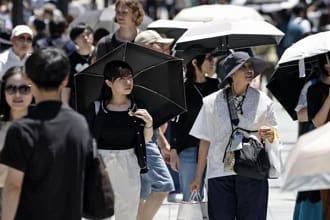



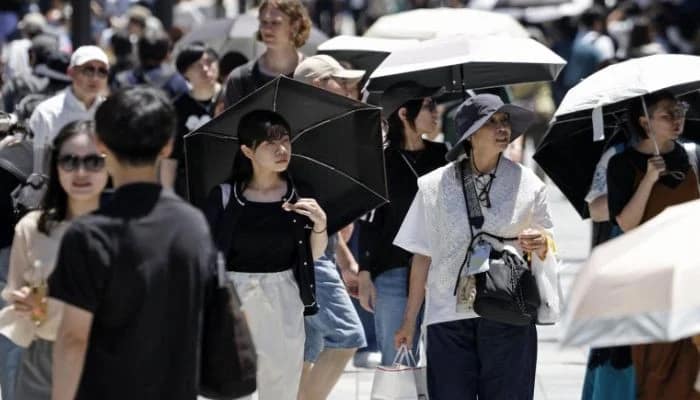

A historic heatwave is sweeping across the Korean Peninsula, with South Korea recording its highest temperature since modern weather observations began in 1904.
The southeastern city of Yangsan reached a staggering 42.4 degrees centigrade on Sunday, August 2. This marks the fifth consecutive day temperatures have exceeded 40 degrees in the region.
The record temperatures have led to the South Korean government issuing a heatwave warning at the second highest level, which means releasing emergency funds for assistance and allocating resources throughout the country. The Prime Minister, Han Seong-sook, has instructed all the government agencies to conduct safety checks for vulnerable individuals and provide stable electricity and water supply.
The Korea Meteorological Administration (KMA) had issued warnings about a severe heatwave hitting the southern parts of the country, such as Busan, Ulsan, and South Gyeongsang Province, as well as spreading to Seoul city and western parts of the nation. “Indoor areas without air conditioning are dangerous,” says KMA, “people must immediately cease all outdoor activities and head for cooling centres.”
Such extreme conditions have resulted in deaths. So far, at least 14 people have lost their lives due to heat-related diseases, whereas almost 1,900 other individuals needed urgent medical care, as per the Korea Disease Control and Prevention Agency.
Daily life has been severely disrupted, including the cancellation of Korean Baseball Organization’s weekend games in Busan and Changwon, citing the safety of both players and spectators.
There have been reports of crowded beaches, water parks and riversides all over the nation as people seek respite from the weather.
In the capital, Seoul, people have been rushing to air-conditioned shopping malls, cafes, and the Cheonggyecheon stream of the city, which holds a summer water festival.
Similarly, North Korea is facing equally harsh conditions, with the state-run media reporting that temperatures have touched 40°C in some regions. For one week now, there have been tropical nights in Pyongyang with temperatures not going below 25°C and water parks full of citizens.
South Korean power authorities have activated emergency measures as electricity consumption is expected to reach record highs due to surging air-conditioning use. Warnings have been issued by KMA that temperatures can get worse further this week, with South Joella and South Gyeongsang provinces expected to exceed 39 degrees.
This abnormal weather pattern is said to result from the joint impact of the high pressures of both the North Pacific and Tibetan high pressure systems, which have kept temperatures soaring in the country. The government’s disaster response unit is currently at alert level two, a state that has only been reached once since the declaration of heat waves as natural disasters.
2026-08-03 23:24:00