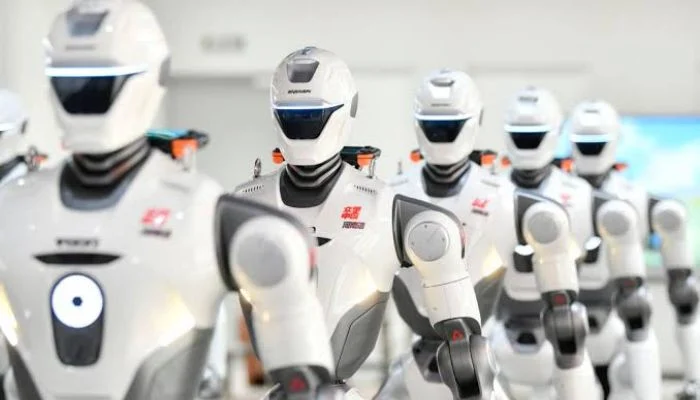

Delta Airlines and United Airlines have both added humanoid robots to their list of banned items, whether you’re trying to carry one on board or check it as luggage. Southwest made the same call earlier this year, after a passenger showed up to a flight with a robot companion in tow.
United’s version of the policy took effect July 23. The airline told CBS News the move wasn’t triggered by any specific incident, just a decision to get ahead of a technology that’s becoming more common. “We believe this change will help further ensure the safety of our customers and crews,” a United spokesperson said.
Delta made a similar call back on June 18, a bit earlier than United. Its policy blocks any device built to look or move like a human or animal from both the cabin and the cargo hold. A Delta spokesperson said the airline continually reviews new technology and updates its rules to keep safety standards high. Delta has also called its ban temporary, which leaves room for the policy to change down the road.
The real issue, according to both airlines, comes down to batteries. Humanoid robots typically run on heavy lithium-ion batteries, the same kind that are already restricted on flights because of fire risk if they’re damaged or mishandled. A Northeastern University robotics professor, Ravinder Dahiya, told CBS News he doesn’t have a problem with the bans, given how those batteries can behave if something goes wrong.
There’s more to it than batteries, though. Airlines have also pointed to the practical headache of screening something shaped like a person, and what it would even mean to evacuate a plane with a robot sitting in a passenger seat.
For now, this only applies to robots built to resemble humans or animals. Regular electronics, smaller robotic gadgets and toys are all still fine to bring, as long as they meet the usual battery rules. American Airlines and JetBlue haven’t put anything similar in place yet.
Humanoid robots on commercial flights are still rare. But with companies pushing to make them more common in everyday life, it’s the kind of policy airlines apparently decided was easier to set now than to figure out later.
2026-07-30 23:19:00