


There was a time, not so long ago, when the annual federal budget was something ordinary Pakistanis actually looked forward to. Not because they expected miracles, but because there was usually something in it for them: a reduction in flour prices, relief on utility bills, a salary increase that at least attempted to keep pace with inflation, or a scheme that gave a small businessman a fighting chance. The budget was the one moment each year when the government was compelled, if only symbolically, to look the common citizen in the eye and say: we see you.
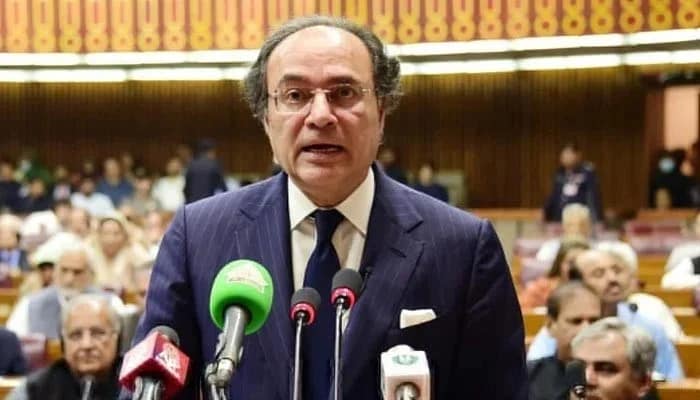
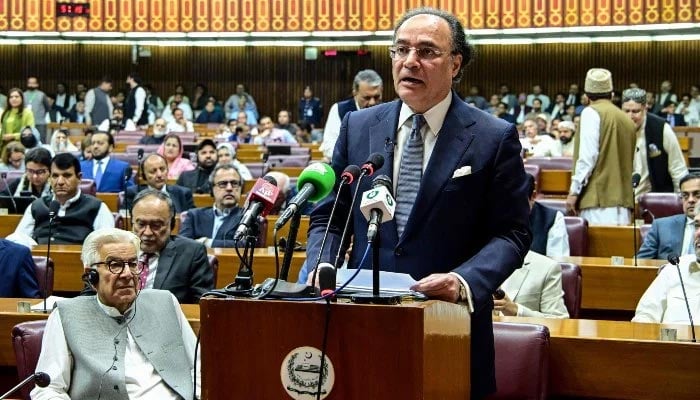
The budget for FY2026-27, presented on June 12, offers no such moment. Instead, it is a document that speaks the language of macroeconomic stabilisation with remarkable fluency, while addressing the concerns of struggling households only in passing. The government points to projected GDP growth of 4.0 per cent, inflation easing to 8.2 per cent and a primary surplus of 2.3 per cent of GDP as evidence that the economy is on the right track. By the standards of fiscal discipline and IMF compliance, these are notable achievements. Pakistan desperately needed stability after years of economic turbulence.
Yet economic stability is meaningful only when it translates into a better life for ordinary citizens. Headline inflation may be falling, but food prices remain painfully high for millions of low and middle-income families. The cost of daily necessities has not fallen simply because international credit agencies are more optimistic about Pakistan’s outlook. Against this backdrop, the government has announced a 7.0 per cent increase in salaries for public-sector employees. After years of inflation that eroded purchasing power, the increase offers little relief. For many workers, it amounts to a continued decline in real income. The 10 per cent minimum wage increase appears more generous on paper, but in Pakistan’s largely informal economy, enforcement remains weak.
A closer reading of the Finance Bill reveals where the burden is being placed. The advance tax on the sale of property has been increased from 1.0 per cent to 2.75 per cent. The advance tax on property purchases has also been raised. For a family buying a modest home worth Rs10 million, this amounts to additional costs before accounting for stamp duties, capital value taxes, and other transaction-related charges.
The Finance Bill also introduces a tax on gains from certain life insurance and family takaful policies if they are surrendered within seven years. For many middle-class Pakistanis, these products are not luxury investments but disciplined savings vehicles used to plan for education, emergencies, or retirement. Taxing these gains may appear minor from a fiscal perspective, but it sends an unfortunate message to citizens who have attempted to save responsibly.
Similarly, token taxes on vehicles in the Islamabad Capital Territory have been linked more closely to invoice values. As vehicle prices rise, tax liabilities will increase automatically, creating an additional recurring cost for vehicle owners.
At the same time, the government has abolished Section 7E of the Income Tax Ordinance, which imposed a deemed income tax on high-value properties above a specified threshold. Whether one agrees with the tax or not, its removal benefits owners of substantial real-estate holdings far more than it benefits salaried households. The contrast is difficult to ignore.
The most significant impact of this budget, however, may not come from any single measure. It will come from the broader revenue strategy underpinning it. The FBR has been assigned an ambitious revenue target. Achieving that target requires collecting vast additional sums from the economy. Yet meaningful taxation of large agricultural holdings remains politically difficult, and broadening the direct tax net to capture persistent tax evaders remains an unfinished project. As a result, governments often rely on the instruments that are easiest to enforce: indirect taxation, withholding taxes and greater pressure on those already documented and compliant.
This means the burden falls disproportionately on salaried employees, registered businesses and consumers. The Finance Bill also increases penalties under the Sales Tax Act, with significantly higher fines for non-compliance and failures related to digital integration requirements. While such measures may improve enforcement, businesses rarely absorb these costs indefinitely. They are eventually passed on to consumers through higher prices.
The budget also reveals much about the state’s priorities. A nation cannot build sustainable prosperity with overcrowded hospitals, underfunded schools and graduates entering an economy unable to absorb their skills. On this front, the budget offers continuity rather than transformation. The question, therefore, becomes: who is this budget designed to serve? The answer is not entirely unreasonable. Pakistan remains dependent on external financing and international confidence. The government must satisfy IMF requirements, reassure investors and maintain credibility with lenders. Ignoring these realities would be irresponsible. But acknowledging those constraints does not absolve policymakers of responsibility toward the public.
The budget contains enough politically marketable initiatives, youth programmes, skills schemes and targeted relief measures to support the government’s narrative. Yet the average Pakistani citizen remains largely absent from its central priorities. The millions who pay GST on every purchase, face withholding taxes on routine transactions, and depend on public services that often fail them, are asked once again to bear a disproportionate share of the adjustment.
Consider a salaried worker earning between Rs50,000 and Rs70,000 per month. Their purchasing power has already been weakened by years of inflation. Their grocery bill continues to rise. If they hope to purchase a modest home, transaction costs are increasing. If they save through an insurance policy, they face new tax implications. If they own a vehicle, recurring taxes continue to climb. If they operate a small business, compliance costs are increasing. None of these measures alone is devastating. Together, they form a steady and persistent pressure on household finances.
There was another path available. The government could have pursued more aggressive taxation of large agricultural holdings, expanded direct taxation of under-taxed sectors, or introduced stronger measures targeting concentrated wealth. It could have used the fiscal breathing room created by improving macroeconomic indicators to invest more substantially in public health, primary education and social mobility. It chose not to.
This is not because Pakistan lacks capable economists or competent policymakers. It is because Pakistan’s political economy has long rewarded those with influence to resist taxation while placing a heavier burden on those with the least ability to avoid it. Budgets are more than financial documents. They are statements of national priorities. They reveal, more honestly than speeches or slogans, what a government values and whom it chooses to protect.
By that measure, Budget 2026-27 delivers a clear verdict. The language of stability, discipline and reform is everywhere. The language of shared sacrifice is not. Ordinary Pakistanis will find the real meaning of this budget not in official projections or fiscal targets, but in their monthly expenses, their shrinking purchasing power and the growing gap between economic recovery on paper and economic reality at home.
The writer posts @FarrukhJAbbasi
Disclaimer: The viewpoints expressed in this piece are the writer’s own and don’t necessarily reflect Geo.tv’s editorial policy.
Originally published in The News
2026-06-18 09:52:00